Why Long Work Hours Don’t Equal High Performance
For decades, long work hours have been worn like a badge of honour. The last one to leave the office is seen as the most committed. The inbox reply at midnight is mistaken for dedication. Somewhere along the way, we quietly accepted a dangerous assumption: more hours mean more output.
But modern workplaces are proving something very different.
Long hours don’t create high performance. They create fatigue, diminishing returns, and eventually—burnout.
High performance is not about time spent. It’s about energy, clarity, and focus.
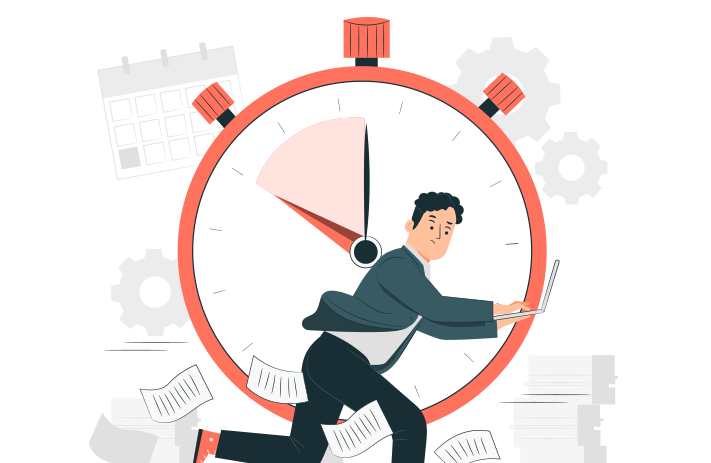
The Productivity Myth: More Time ≠ Better Results
Human brains are not machines. They don’t perform linearly. After a certain point, cognitive efficiency drops sharply. Decisions become slower. Errors increase. Creativity shuts down. What looks like “working harder” is often just working while tired.
Research consistently shows that productivity peaks within focused, well-structured working hours. Beyond that, people may stay busy—but they stop being effective. Long hours inflate activity, not outcomes.
This is why two employees can work the same 10-hour day and deliver vastly different results. One is aligned and focused. The other is simply present.
Presence is not performance.
Burnout Is a System Problem, Not a Personal Failure
When teams work long hours repeatedly, the issue is rarely “lack of commitment.” It’s usually unclear priorities, poor planning, or reactive leadership.
Burnout doesn’t come from working hard occasionally. It comes from working without recovery, without control, and without clarity.
Common causes include:
- Constant urgency with no prioritisation
- Too many tasks labeled “critical”
- Meetings replacing actual work
- Firefighting due to weak systems
- Leaders confusing pressure with performance
Over time, this creates exhaustion, disengagement, and silent resentment. Employees may still show up—but mentally, they’ve already checked out.
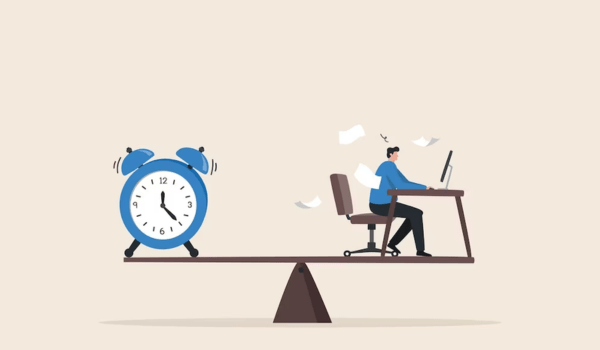
Long Hours Kill What Businesses Need Most
Ironically, the very things organisations say they want—innovation, ownership, initiative—are the first to disappear in long-hour cultures.
When people are overworked:
- They stop thinking strategically
- They avoid risk and creativity
- They do only what’s asked, nothing more
- They protect energy instead of contributing ideas
High performance requires mental space. It requires the ability to step back, connect dots, and think beyond immediate tasks. Long hours suffocate that space.
You can’t expect big-picture thinking from a burnt-out mind.
The Difference Between Effort and Effectiveness
Effort is visible. Effectiveness is measurable.
A culture obsessed with long hours rewards visibility over value. Employees learn that staying late matters more than solving the problem well. Over time, this trains teams to look busy instead of thinking smart.
High-performing organisations focus on:
- Clear goals, not constant availability
- Output, not hours
- Quality decisions, not fast reactions
- Sustainable pace, not heroic burnout
They understand that performance comes from direction + capability + energy, not time alone.
Why Smart Work Beats Hard Work
“Work smarter, not harder” sounds cliché—but it’s deeply practical.
Smart work means:
- Clear priorities: knowing what not to do
- Focused blocks of deep work
- Fewer, better meetings
- Clear ownership and expectations
- Leaders who reduce noise instead of adding to it
When work is structured well, people don’t need long hours. They need clarity.
In fact, teams with shorter, more intentional workdays often outperform teams working endlessly—because their energy is intact and their thinking is sharper.
Leadership Sets the Tone
No policy can fix a culture that glorifies exhaustion.
If leaders send late-night messages, reward overwork, or equate availability with loyalty, long hours become the norm—no matter what HR policies say.
High-performing leaders do something different:
- They model boundaries
- They value rest as a performance tool
- They reward outcomes, not sacrifice
- They protect focus time
- They plan instead of reacting
When leaders respect energy, teams perform better—consistently.
Sustainable Performance Is the Real Competitive Advantage
In a fast-changing world, the ability to perform consistently matters more than short bursts of overwork.
Organizations that rely on long hours eventually pay the price through attrition, low morale, health issues, and declining innovation. Organisations that design for sustainable performance build resilience, loyalty, and long-term results.
High performance is not about how late your lights stay on.
It’s about:
- How clear your priorities are
- How focused your teams can be
- How energised people feel when they work
- And how well your systems support human capability
Because at the end of the day, exhausted people don’t build exceptional businesses. Focused, supported, and energized people do.
Learn more